If you love the energy of Atlantic City but do not want a purely visitor-focused lifestyle, you are not alone. Many buyers and second-home shoppers want easy access to the Boardwalk, dining, and entertainment while still feeling connected to a real neighborhood. The good news is that Atlantic City offers exactly that mix, and this guide will help you understand where residential living near the action makes the most sense. Let’s dive in.
Why Atlantic City Works for Residential Living
Atlantic City is more than a tourism strip. City planning describes it as a mixed-use environment where residential, commercial, cultural, transportation, and transient uses come together, and the city also has more than four miles of beach and boardwalk.
That matters if you are looking for a home, condo, or second property with both lifestyle value and everyday functionality. You can be close to restaurants, nightlife, waterfront views, and major attractions without limiting yourself to a hotel-style setting.
Residential Areas Near the Action
Several parts of Atlantic City stand out if your goal is to live close to entertainment while still having a neighborhood context. Based on official neighborhood descriptions, Chelsea and the University District, Ducktown, Midtown and the Orange Loop, and the Inlet are some of the clearest examples.
Each area offers a slightly different version of the same appeal. You get access to Atlantic City’s activity centers, but with a stronger sense of place than you might expect if you only know the Boardwalk.
Chelsea and University District
Chelsea is described as a lively neighborhood with charming streets, parks, local restaurants, and Stockton University’s Atlantic City campus. The University District overlay is intended to support housing, art galleries, entertainment, and research, which makes this area one of the best examples of residential use woven into the city’s active core.
Stockton’s residential buildings in the district also reflect the local housing pattern. Apartment-style and suite-style living with full kitchens, security, courtyards, fitness space, and retail nearby show how this part of Atlantic City supports year-round living close to the waterfront and entertainment areas.
Ducktown and Midtown
Ducktown brings a historic district identity and a strong local character. The area is known for its Little Italy connection, cultural mix, arts venues, museums, local dining, and Ducktown Park.
Nearby Midtown functions as a shopping and entertainment corridor between downtown and the beach. With Tanger Outlets, Atlantic Avenue shops, bars and restaurants in the Orange Loop, and live music venues like Anchor Rock Club, this part of the city shows how everyday neighborhood life and visitor activity can overlap.
The Inlet
The Inlet offers a different feel from the blocks closer to the main casino core. It is framed as a waterfront neighborhood anchored by Absecon Lighthouse and Gardner’s Basin, with waterfront dining, a brewery, a distillery, and family parks.
For buyers, that means near the action does not always mean being in the center of late-night activity. In the Inlet, you can stay connected to Atlantic City’s energy while enjoying a setting shaped by bayfront recreation, civic landmarks, and local businesses.
What Housing Looks Like Near the Core
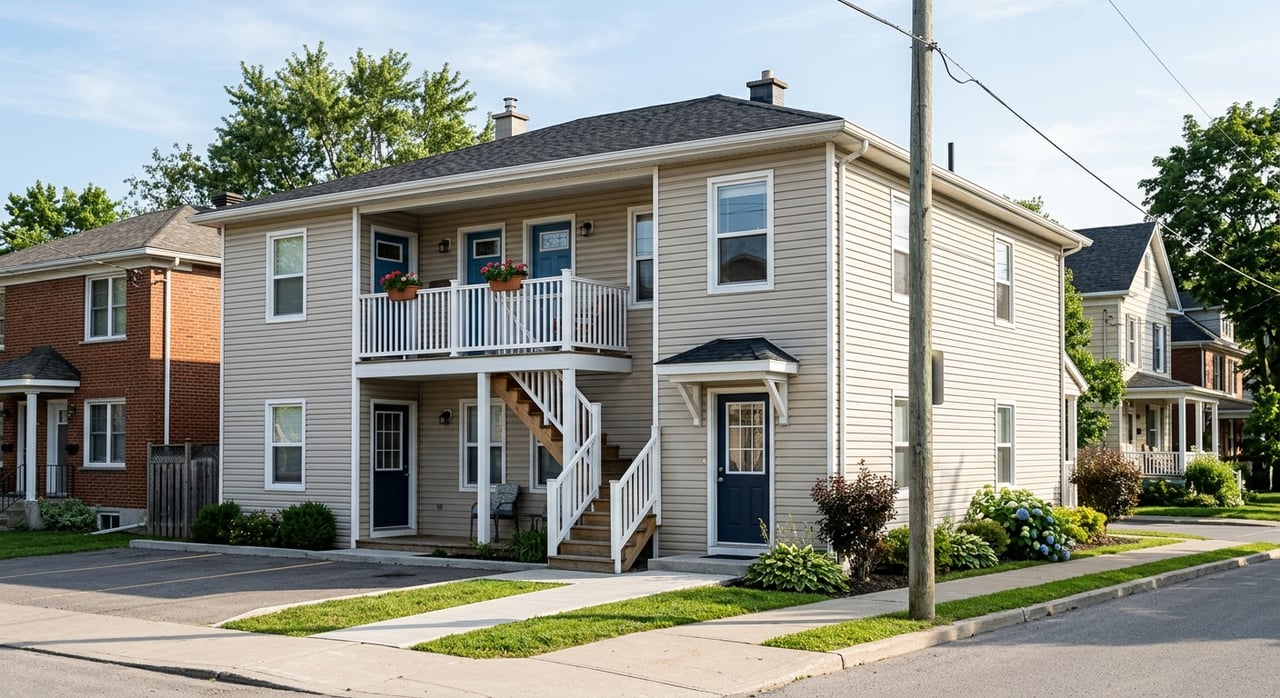
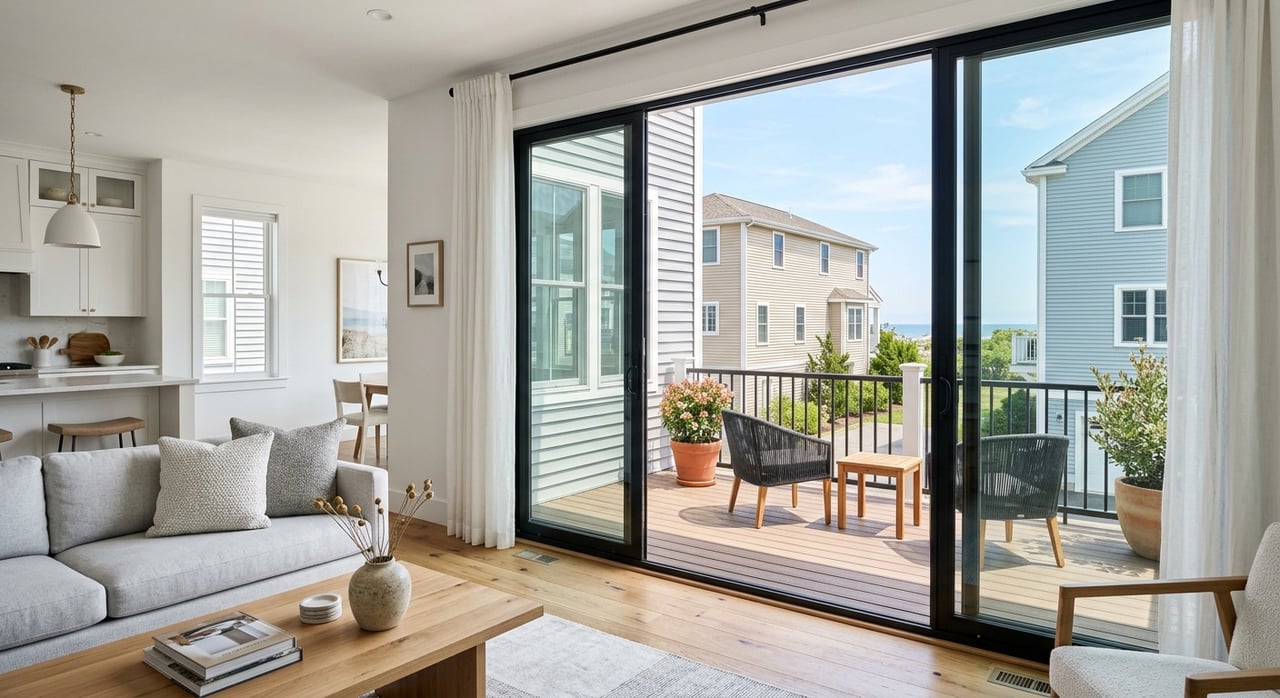
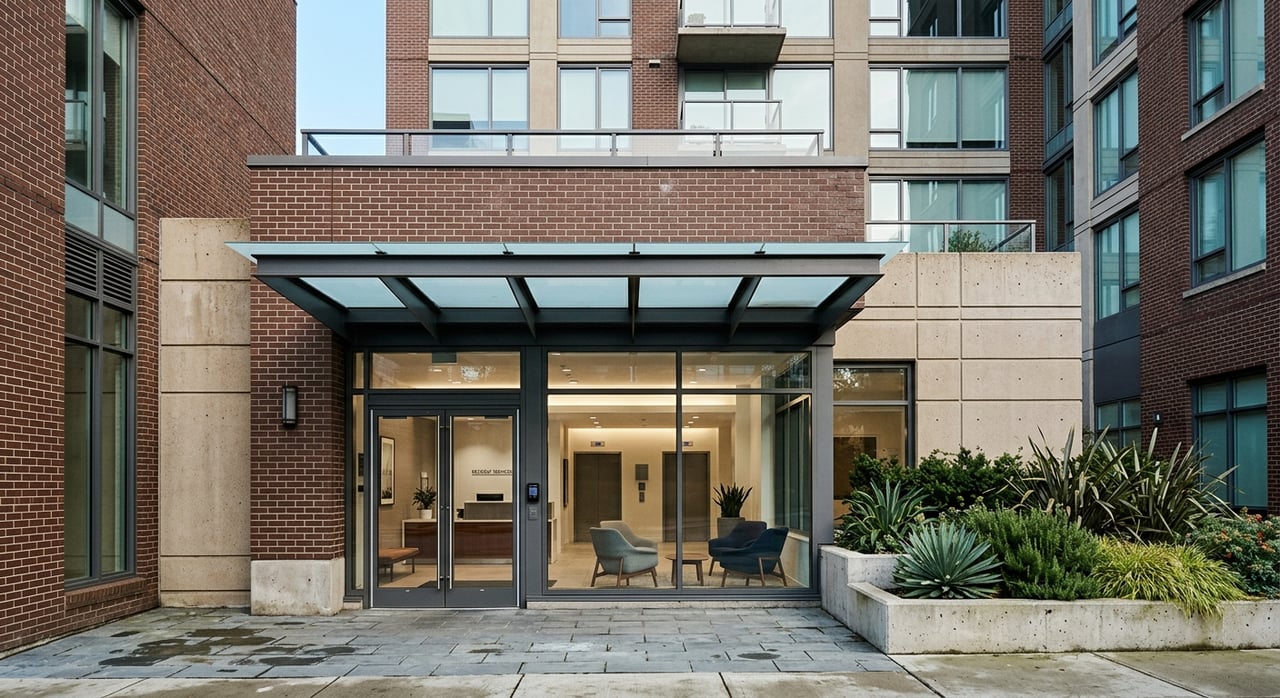
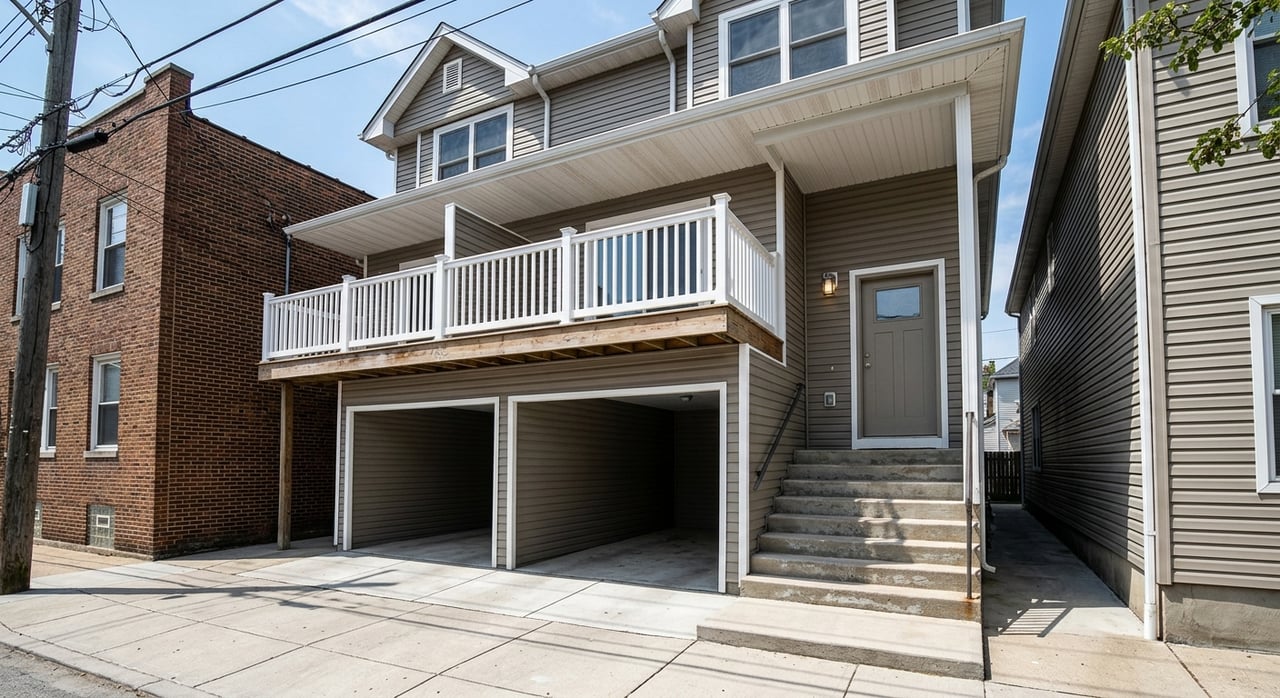
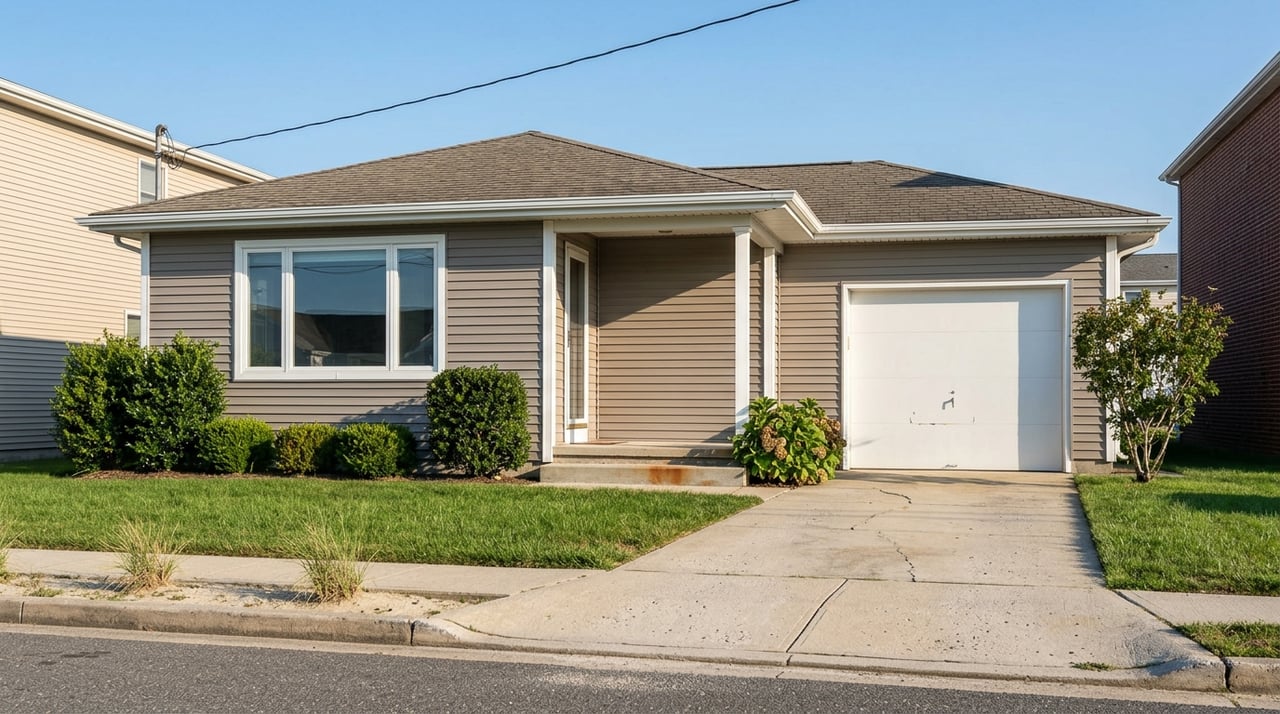
If you are picturing large stretches of detached single-family homes right off the Boardwalk, that is usually not the most accurate way to think about Atlantic City’s core. Near the action, the more realistic housing patterns are apartment buildings, condo-oriented developments, and mixed-use residential buildings.
In nearby blocks, you may also find more historic, street-oriented neighborhood character. That mix is part of what makes Atlantic City distinct. It offers residential options that fit buyers looking for a low-maintenance second home, a year-round residence, or a property that keeps you close to the waterfront lifestyle.
Lifestyle Perks of Living Close By
For many buyers, the biggest draw is simple: convenience. When you live near the Boardwalk and nearby neighborhoods, the beach, dining, shopping, and entertainment can become part of your normal routine instead of something you save for special weekends.
NJ TRANSIT describes the Boardwalk as a four-mile stretch of shops, restaurants, entertainment, and ocean views, and the beach is noted as a wide free public beach. Visit Atlantic City also highlights practical amenities like restrooms, changing stations, outdoor showers, and ADA access points.
That combination supports a lifestyle that feels active and flexible. You can head out for a morning walk by the ocean, meet friends for dinner, or enjoy live entertainment without planning your day around a long drive.
Dining and Nightlife Access
Atlantic City’s entertainment scene goes well beyond one stretch of casino floor. Official tourism sources describe headline performers, comedy, live entertainment, lounges, clubs, cabaret, beach bars, and live music throughout the year.
The Orange Loop is especially notable because it sits just a few blocks off the Boardwalk and brings together restaurants, bars, coffee spots, and live music. Chelsea and nearby districts also add local favorites and independent venues, which helps spread the city’s energy across multiple neighborhoods.
Waterfront as Everyday Living
One of the biggest mental shifts for buyers is realizing that the waterfront can be part of everyday life here. Atlantic City’s beach and Boardwalk are not only for visitors. They also function as public space for walking, recreation, dining, and quick access to the shore.
If you want a second home that feels easy to use, or a primary home that keeps you connected to the coast, that daily access can be a major advantage. It is one of the reasons Atlantic City appeals to buyers who want both activity and convenience.
Getting Around Without Overcomplicating Life
Transportation can make a big difference when you are choosing where to live near the shore. In Atlantic City, several public and local options support a lower-car lifestyle, especially if you are near the core.
NJ TRANSIT says the Atlantic City Rail Line provides daily service between Philadelphia’s 30th Street Station and the Atlantic City Rail Terminal. The terminal sits next to the Atlantic City Convention Center and only a few blocks from the Boardwalk.
The city also has AC Jitney service running around town year-round. According to NJ TRANSIT, there are four fixed city routes, with 24/7 service on three routes and daytime service on the fourth, while the Boardwalk Tram operates seasonally between Memorial Day and Labor Day.
For out-of-town owners and second-home buyers, airport access also adds convenience. Visit Atlantic City describes Atlantic City International Airport as about 12 minutes from downtown Atlantic City.
Everyday Services Matter Too
Lifestyle is important, but practical daily needs still shape how a place feels to live in. Atlantic City supports that year-round feel with healthcare, shopping, and access to essential services.
AtlantiCare’s Atlantic City Campus on Pacific Avenue operates 24/7 and includes emergency care, stroke care, imaging, inpatient care, trauma care, and pharmacy services. The AtlantiCare HealthPlex on Atlantic Avenue adds primary care, pediatrics, pharmacy, and rehab services.
Shopping and errands are also part of the picture. Tanger Outlets Atlantic City is described as an open-air shopping destination with more than 60 brand-name retailers and dining options, and official visitor information notes additional retail along the Boardwalk and in casino districts.
Parking is also described as plentiful near the beach and Boardwalk. That can be helpful if you still plan to drive for certain errands, host guests, or split your time between Atlantic City and other shore communities.
Who This Lifestyle Fits Best
Living near the action in Atlantic City can work well for several types of buyers. If you want a second home with easy access to entertainment and the beach, this setup can be a strong fit.
It can also appeal to buyers who prefer condo or apartment-style living over a larger detached home. And if your goal is to enjoy a more walkable, activity-rich environment, Atlantic City offers options that can support that lifestyle better than a quieter, purely residential shore market.
The key is choosing the right pocket of the city for how you want to live. Some buyers may prefer the mixed-use feel of Chelsea, some may like the street-level identity of Ducktown and Midtown, and others may be drawn to the waterfront setting of the Inlet.
Final Thoughts on Atlantic City Living
Atlantic City offers more residential depth than many buyers first expect. If you look beyond the tourism headlines, you will find neighborhoods where you can stay close to the Boardwalk, nightlife, dining, shopping, and the waterfront while still enjoying a more grounded day-to-day setting.
That balance is what makes residential living near the action so appealing. With the right location and property type, you can enjoy Atlantic City’s energy on your terms.
If you are exploring condos, second homes, investment opportunities, or year-round residential options in Atlantic City, Eric Millstein can help you evaluate the neighborhoods, property types, and lifestyle fit that make the most sense for your goals.
FAQs
Which Atlantic City neighborhoods feel most residential near the Boardwalk?
- Chelsea and the University District, Ducktown, Midtown and the Orange Loop, and the Inlet are among the clearest officially described neighborhoods that combine local identity with close access to Atlantic City attractions.
What housing types are common near the action in Atlantic City?
- Apartment-style living, condo-oriented developments, and mixed-use residential buildings are the most common patterns near the core, with more historic neighborhood blocks in surrounding areas.
Can you live in Atlantic City without driving everywhere?
- Many trips can be handled with rail access, AC Jitney routes, walking near the Boardwalk area, and the seasonal Boardwalk Tram, especially if you live close to the city’s core.
Is the Boardwalk only for tourists in Atlantic City?
- No. Official sources describe the Boardwalk and beach as major public amenities with shops, restaurants, entertainment, ocean views, and practical features like restrooms, showers, and ADA access points.
What everyday services are available for Atlantic City residents?
- Atlantic City offers year-round conveniences including healthcare through AtlantiCare facilities, shopping at Tanger Outlets and other retail areas, transit access, and parking near the beach and Boardwalk.
Is Atlantic City a good fit for a second home near entertainment?
- It can be a strong option if you want close access to the beach, dining, nightlife, and transportation while choosing a neighborhood that offers a more residential feel than a purely visitor-focused area.