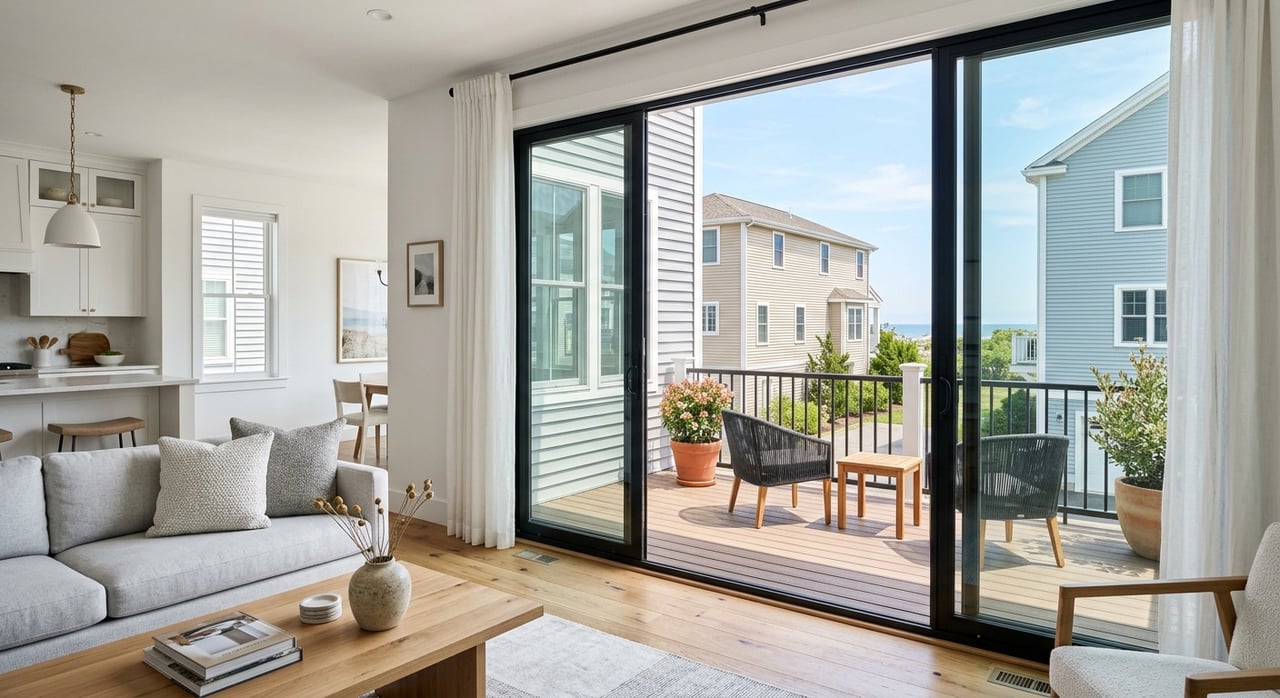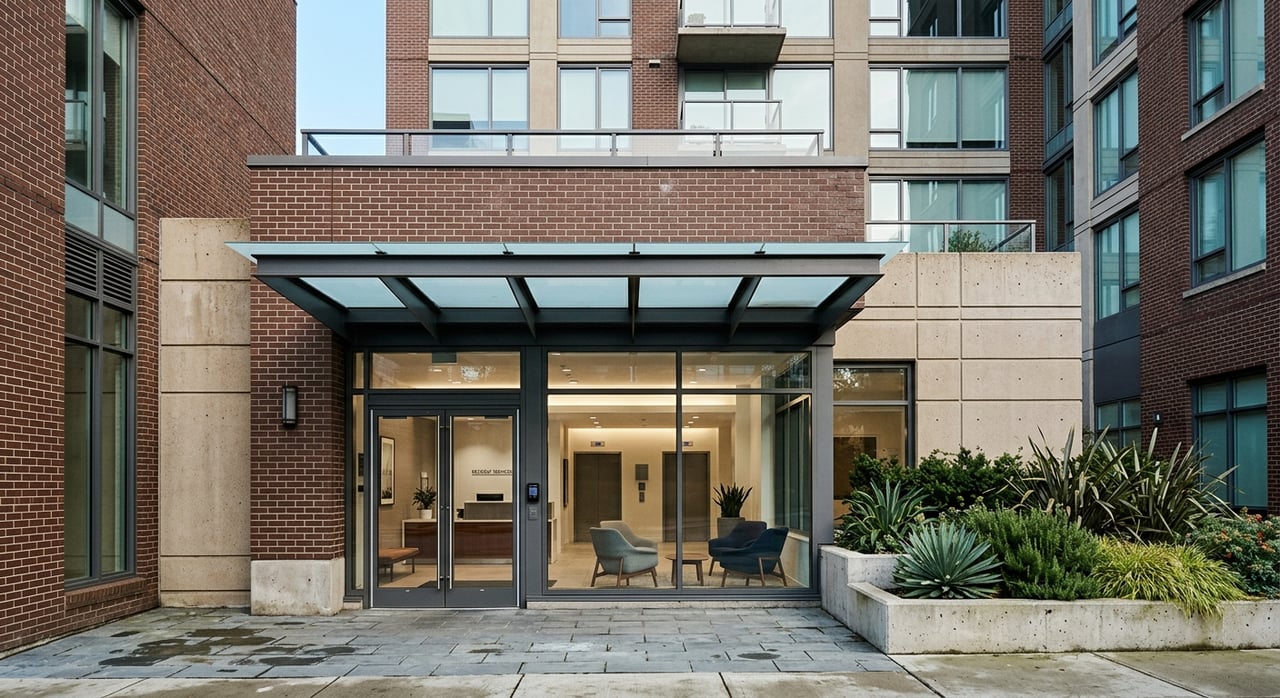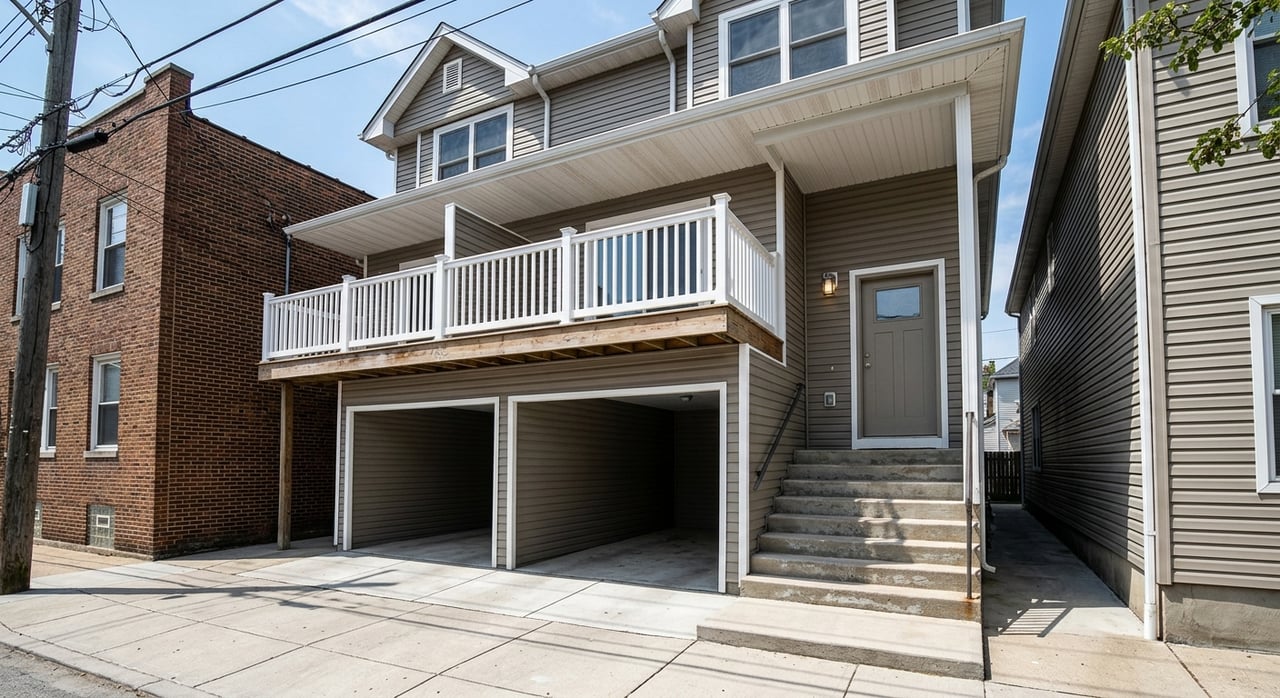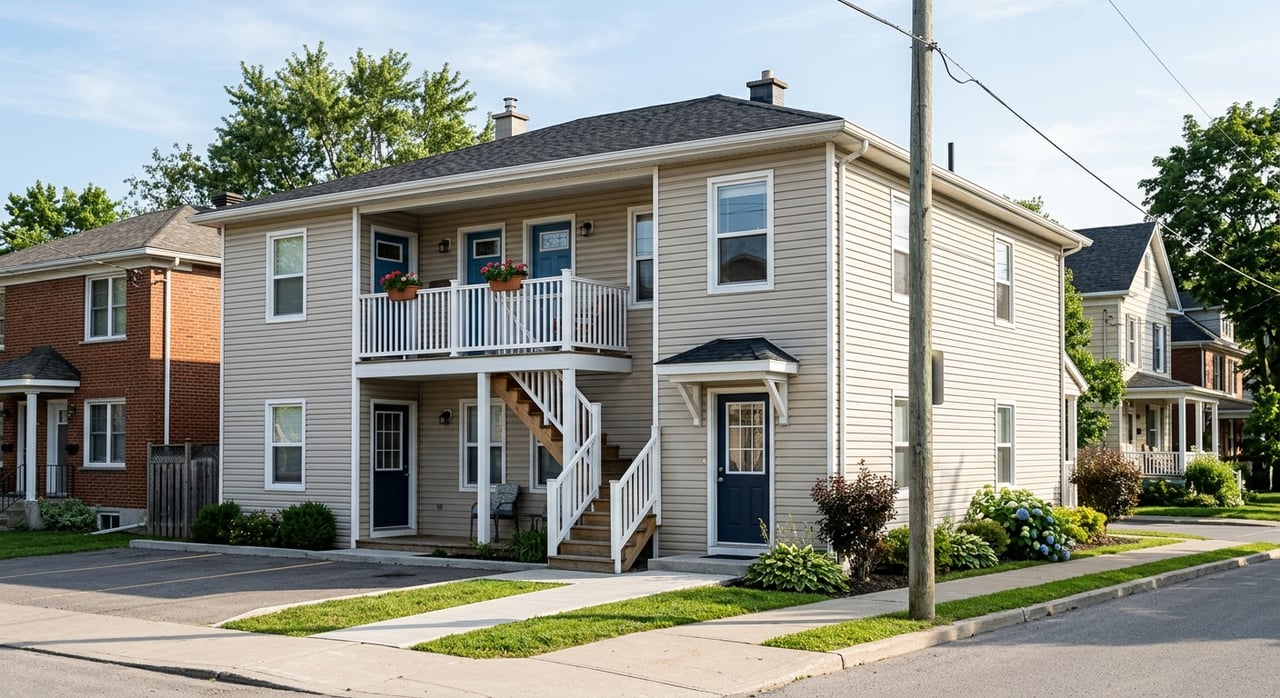
Wondering if you can offset your housing costs in Ventnor City by living in one unit and renting the others? It can be a smart strategy, but in a shore market like Ventnor, the numbers only work when the property is legally configured, parking makes sense, and the building can meet local occupancy rules. This guide will help you think through duplex and triplex-style opportunities in Ventnor City so you can spot the right deal and avoid common mistakes. Let’s dive in.
Why Ventnor fits house-hacking
Ventnor City has a housing mix that makes small multifamily living especially relevant. According to the city’s 2025 Housing Element, about 15.45% of housing units are in 2-unit structures and 3.56% are in 3- to 4-unit structures. That gives you a real base of small-scale income property to study, not just a one-off opportunity here and there.
The same report shows a tight rental market, with a median gross rent of $1,477 and a rental vacancy rate of 2.1%. Those numbers suggest real rental demand. At the same time, Ventnor has been shifting toward more seasonal occupancy and vacation rentals, so it makes sense to underwrite deals carefully rather than assume steady year-round performance.
Ventnor is also largely built out. The city spans about 3.5 square miles and has limited room for new development, which means many house-hack opportunities come from existing homes rather than brand-new inventory. In practice, that often means older properties, renovation needs, and more due diligence before you buy.
Know what counts as a duplex
In everyday conversation, buyers often use terms like duplex, triplex, and multifamily loosely. In Ventnor, the zoning code is more specific, and those distinctions matter. A duplex is a single building with two dwelling units on one lot, while buildings with more than two dwelling units fall under categories such as multiple dwelling or apartment house.
That means a “triplex” listing should not be judged by the marketing label alone. What matters is how the use fits the local code and whether the unit count is legally recognized. If the legal status is unclear, your financing, occupancy plans, and future rental strategy can all be affected.
Zoning matters more than the floor plan
A property can look perfect for house-hacking and still create problems if the zoning does not support the current setup. Ventnor’s R1 and R2 districts are single-family districts. The R7 district allows a second residential unit only for seasonal use in existing structures, and occupancy outside May 15 through September 15 is a violation.
By contrast, the R9 overlay district expressly permits a wider range of residential uses, including single-family detached dwellings, two-family dwellings, duplexes, apartment houses, garden apartments, apartment high-rise buildings, and townhouses. That makes district verification one of the first things to check when you are evaluating a duplex or a triplex-style property.
This is why legal use should be reviewed before you get too far into the process, or at least very early in attorney review. A building may function like a two-unit or three-unit property physically, but still be seasonal-only, nonconforming, or otherwise limited under local rules. In Ventnor, legal unit count is not a detail. It is the foundation of the deal.
Lot size and width can shape value
Ventnor’s code also sets bulk standards that can affect what is permitted on a site. Under the city’s general duplex and two-family rules, duplexes require a minimum lot size of 2,000 square feet and 32 feet of lot width. Two-family dwellings require 3,125 square feet and 50 feet of width.
In the R9 overlay, the standards shift by use. Duplexes require 2,000 square feet of lot area, two-family use requires 1,562.5 square feet per unit and 25 feet of width per unit, and apartment-house use requires 1,500 square feet per unit and 50 feet of lot width. Those details can influence everything from long-term compliance to renovation options and resale value.
If you are comparing two similar properties, the one with cleaner zoning and more flexible site dimensions may be the better long-term play. That is especially true if you expect to improve the property over time or hold it as an investment.
Parking can make or break a deal
In Ventnor, parking deserves as much attention as rent. The city’s parking requirements are bedroom-based, and that matters because the housing stock tends to run larger. The Housing Element reports a median of 5.9 rooms per unit, and 63% of units have 3 or more bedrooms.
For residential uses, the code requires 1.5 off-street spaces per 2-bedroom single-family or duplex unit, 2.0 spaces per 3-bedroom unit, 2.5 per 4-bedroom unit, and 3.0 per 5-bedroom unit. Two-family dwellings use those values per unit. In other words, a larger layout may help rental income, but it can also increase the parking burden fast.
This is one reason the “best” house-hack property is not always the one with the most bedrooms. If the parking setup is weak, the property may be harder to use as intended, harder to improve, and harder to keep compliant. In Ventnor, layout and parking should always be analyzed together.
Older housing means more inspection work
More than 60% of Ventnor’s housing stock is 50 years old or older. That does not mean older properties are bad deals. It does mean you should expect building systems, maintenance history, and renovation quality to play a major role in whether the numbers hold up.
When you review a duplex or triplex-style property, pay close attention to:
- Roof age and condition
- Electrical service and panel setup
- Plumbing condition and drain lines
- Heating and cooling by unit
- Window and insulation performance
- Utility separation and metering
- Evidence of deferred maintenance
For a house-hacker, these items affect more than repair costs. They also shape tenant comfort, turnover risk, and your monthly cash flow.
Flood and elevation affect the plan
Because Ventnor is a shore market, floodproofing and elevation can influence both financing and physical layout. For certain new single-family, duplex, or two-family dwellings, the city allows the finished first floor to be raised as much as 9 feet above curb elevation to create parking below, as long as at least 50% of required parking is supplied and any parking within the building envelope is fully enclosed.
The code also allows limited floodproofing of certain existing nonconforming structures when stated conditions are met. In practical terms, elevation and flood-related design can affect access, storage, parking, and renovation scope. That makes them part of your investment analysis, not just an insurance conversation.
Occupancy and lead rules are part of due diligence
Ventnor requires a certificate of occupancy before any sale, rental, transfer, or occupancy. The city’s housing rules also require rental owners to file information about the superintendent or agent, apartment numbers, and tenant information. A new certificate of occupancy is required when occupants change from those listed on file.
Lead compliance is another major item, especially with older rental housing. Ventnor’s mercantile licensing rules require a valid lead-based paint evaluation report at tenant turnover and provide certain exemptions, including some post-1978 units and some other qualifying categories. New Jersey’s lead inspection program also applies to certain pre-1978 rental single-family, two-family, and multiple-dwelling units.
For buyers, the takeaway is simple: do not treat compliance as a post-closing surprise. Ask early how the property has been operated, whether the current owner has maintained the required records, and what may need updating before you move in or rent out a unit.
How to underwrite a Ventnor house-hack
A good house-hack deal is not just about whether a unit can rent. In Ventnor, it is about whether the property is legal, functional, and realistic to operate in an older coastal market. A basic underwriting review should include:
- Gross rent for each unit
- Vacancy allowance
- Property taxes
- Insurance
- Repairs and maintenance
- Capital expenditures for older systems
- Utilities and turnover costs
- Debt service coverage
Then add the Ventnor-specific filters:
- Is the unit count legal in that district?
- Does the parking support the bedroom count?
- Will the property clear certificate of occupancy requirements?
- Is lead compliance likely to apply?
- Do elevation or flood conditions change your costs?
The city’s median gross rent and low vacancy rate can make a small multifamily purchase look attractive on paper. But in this market, conservative assumptions usually lead to better decisions, especially if you are relying on one or two tenants to help carry the property.
When a seasonal strategy enters the picture
Some buyers look at Ventnor and assume short-term or seasonal renting can always fill the gap. That is not something to gloss over. Ventnor regulates leases from one day to less than 30 days through mercantile licensing, with bedroom-based minimum stays.
That is separate from a standard long-term house-hack strategy, but it matters if you are considering a backup income plan. Seasonal demand can be valuable in a shore market, yet the rules and operating model are different from a simple year-round tenant setup. If seasonal use is part of your plan, it should be reviewed carefully before you buy.
What the best opportunities look like
In Ventnor City, strong house-hack opportunities often share a few traits. They have a clearly supportable unit count, workable parking, and a layout that gives both owner and tenant enough privacy. They also tend to have a realistic renovation path rather than a long list of unresolved compliance questions.
You may find that the most attractive deal is not the flashiest property. It is often the one where zoning, bedroom count, parking, occupancy rules, and building condition line up cleanly enough to support steady use. In a built-out shore market, that kind of clarity can be a real advantage.
If you are thinking about buying a duplex or triplex-style property in Ventnor City, local review matters. Eric Millstein can help you evaluate the property type, rental potential, and on-the-ground considerations that shape whether a house-hack truly works here.
FAQs
What does house-hacking in Ventnor City usually mean?
- It usually means living in one unit of a property and renting the other unit or units to help offset your housing costs.
Can you buy a triplex in Ventnor City?
- You may find properties marketed that way, but Ventnor’s code uses terms such as multiple dwelling or apartment house for buildings with more than two units, so the legal use should be verified carefully.
Which Ventnor City zones matter for duplex or triplex-style homes?
- R1 and R2 are single-family districts, R7 allows a second residential unit only for seasonal use in existing structures, and the R9 overlay permits a wider range of multifamily-style uses.
Why is parking so important for Ventnor City house-hacking?
- Ventnor’s off-street parking requirements are based on bedroom count, so larger units can require significantly more parking and may affect whether a property works as planned.
Do older Ventnor City multifamily homes need extra due diligence?
- Yes. More than 60% of the city’s housing stock is 50 years old or older, so systems, maintenance, lead-related requirements, and certificate of occupancy issues deserve close review.
Are seasonal rentals the same as long-term house-hacking in Ventnor City?
- No. Ventnor regulates leases from one day to less than 30 days through mercantile licensing, so a seasonal rental plan should be evaluated separately from a standard long-term rental setup.