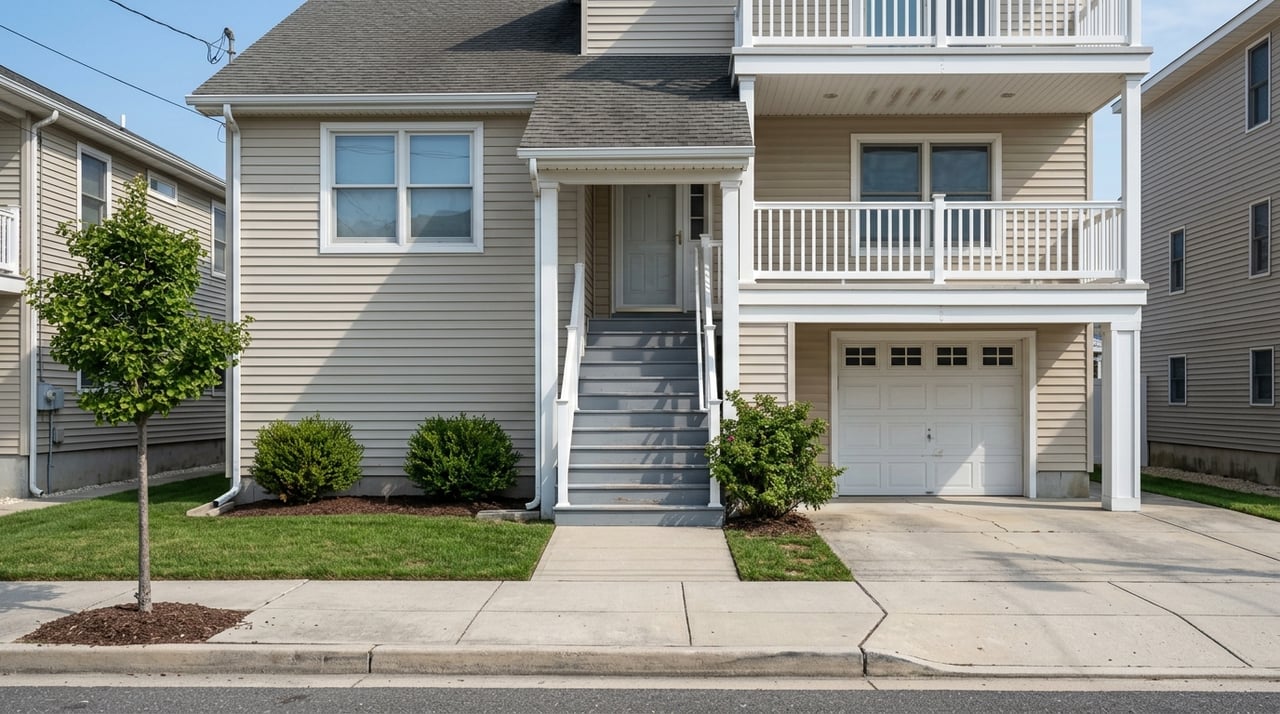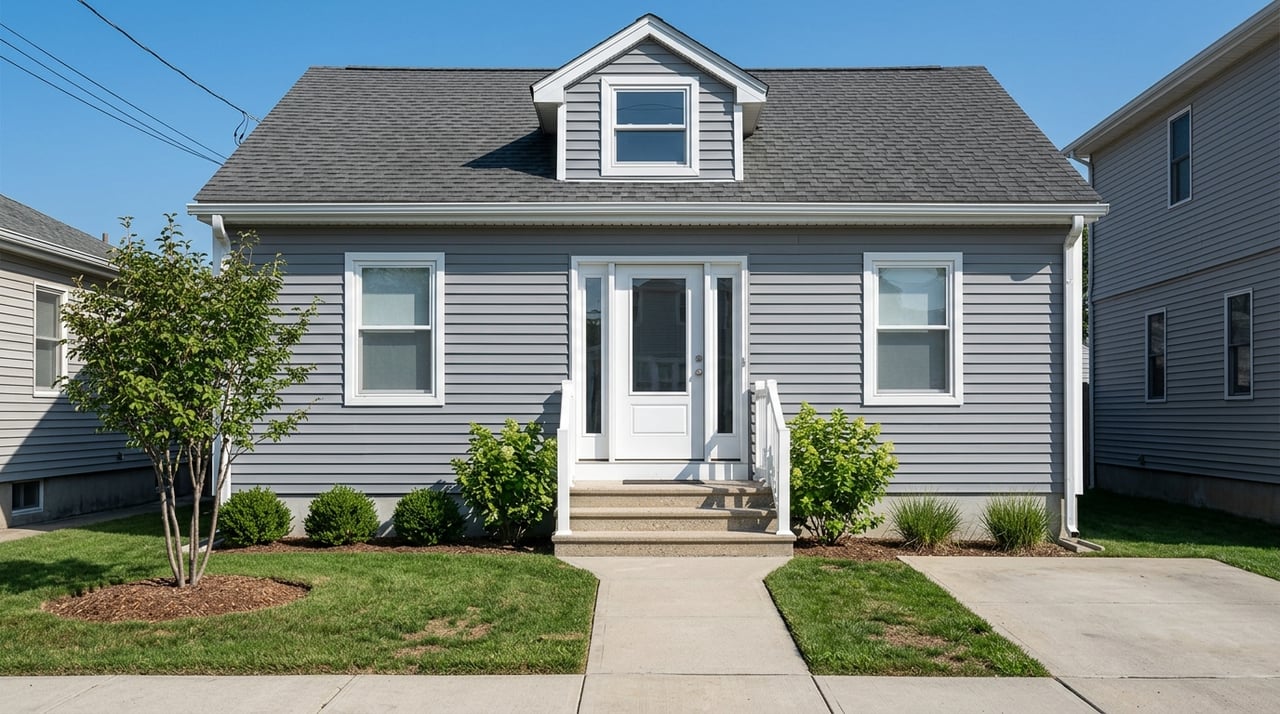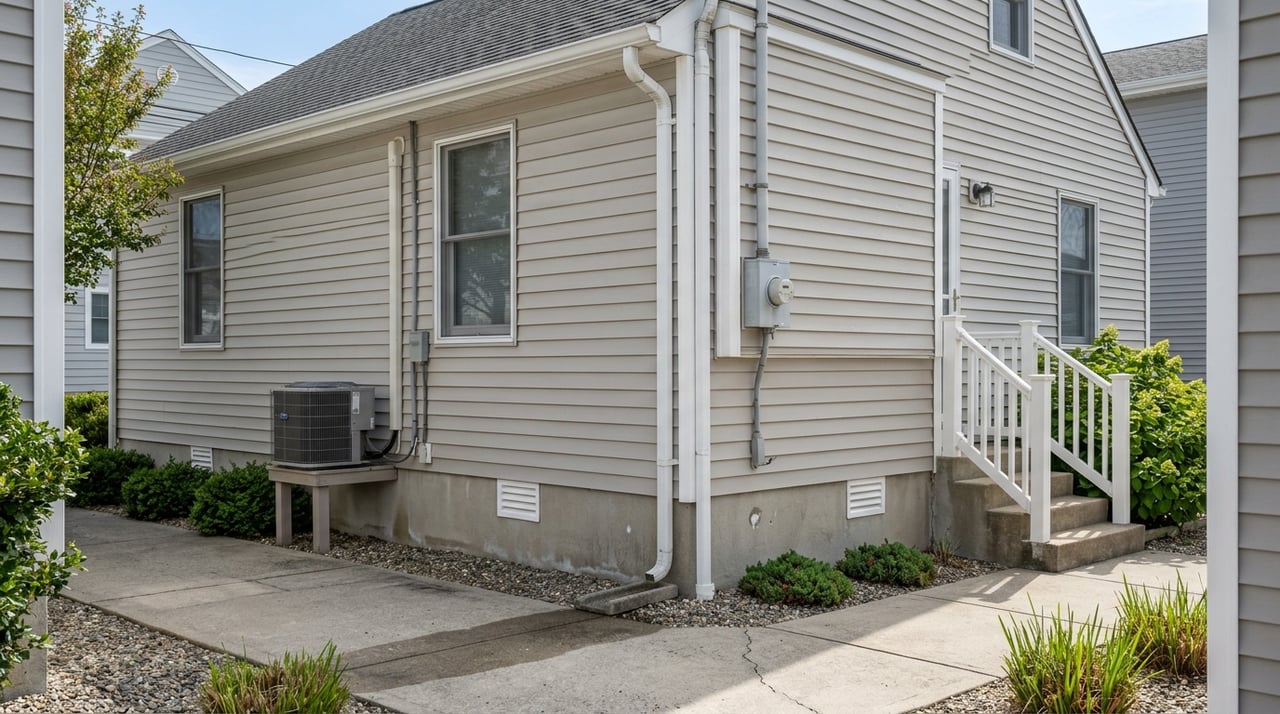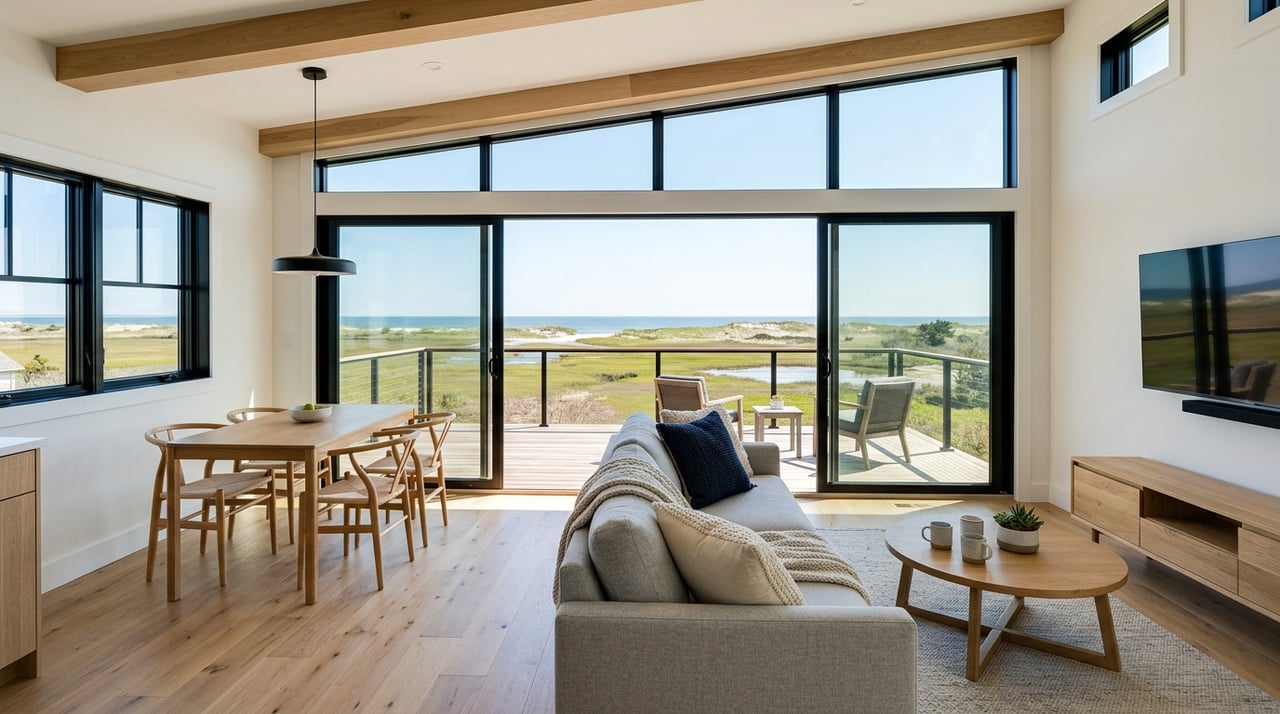
Thinking about buying a shore property that can help pay for itself? In Ventnor City, that idea can make sense, but only if you go in with the right expectations. This is a market built around seasonal demand, larger group stays, and careful local compliance, not easy year-round income. If you want to know whether Ventnor fits your goals as a vacation rental owner, here’s what to look at before you buy. Let’s dive in.
Ventnor City at a Glance
Ventnor City can be a good place to own a vacation rental if you view it as a summer-driven shore investment rather than a steady 12-month income property. In AirROI’s 2026 dataset, Ventnor averages $30,803 in annual revenue, 36.5% occupancy, and a $413 average daily rate.
Those numbers tell an important story. You may be able to generate meaningful seasonal income, but your cash flow will likely rise and fall with the calendar. If your plan depends on strong winter bookings, Ventnor may feel slower than you expect.
Atlantic County still benefits from a strong tourism base. New Jersey welcomed 123.7 million visitors in 2024, and Atlantic County led the state in direct tourism spending in 2023 at $8.10 billion, supporting 55,148 direct visitor-related jobs. That larger visitor economy helps support demand for shore stays across the region.
Ventnor Works Best as a Seasonal Market
If you are considering a vacation rental in Ventnor, seasonality should be part of your underwriting from day one. Peak season runs from June through August, when average occupancy reaches about 53.0%, average monthly revenue is around $8,436, and ADR is about $456.
Outside peak months, performance drops. Shoulder season averages about 26.7% occupancy and $2,896 in monthly revenue, while low season months like February, March, and October average about 22.0% occupancy and $2,073 in monthly revenue.
That does not mean Ventnor is a poor market. It means you should buy with a clear plan for summer-heavy income and budget for quieter periods. For many buyers, the goal is not full financial independence from the property, but income that helps offset carrying costs while preserving personal use and long-term ownership value.
What Type of Vacation Rental Performs Best
Ventnor’s short-term rental market is built around whole-home stays for families and groups. According to AirROI, 92.5% of listings are entire homes or apartments, 60.2% of supply is houses, and 65.9% of listings have three or more bedrooms.
Guest capacity also matters. About 76.8% of listings can host six or more guests, and 3-bedroom homes make up the largest bedroom segment at 30.3% of the market. That points to a clear local pattern: larger properties tend to match demand better than small units.
The strongest-performing listings are generally beach-block or near-beach whole homes with 3 to 7 bedrooms, especially when they include amenities that support group stays. Features like a hot tub or other family-friendly amenities can improve appeal in a market where convenience and beach access matter.
Who Is Booking in Ventnor
Ventnor attracts a mostly domestic, drive-to vacation audience. AirROI reports that 97.1% of guests are domestic travelers, with Philadelphia as a major feeder market and New York also playing an important role.
This matters because it shapes how people book and what they value. Guests are often looking for an easy beach trip rather than a business-travel stay. They are typically planning around weekends, summer breaks, and group travel, which supports larger homes in convenient locations.
Booking behavior also leans relatively early for a vacation market. Guests book about 60 days ahead on average, which can help owners plan pricing and availability with a little more visibility than in some last-minute markets.
Regulations You Need to Understand First
Before you buy, you need to know that Ventnor regulates short-term rentals. The city requires an annual mercantile license for rentals of one day up to less than 30 days.
Ventnor also uses bedroom-based minimum stay rules:
- Studios and 1-bedroom units: may rent for 1 or more days but less than 30 days
- 2-bedroom units: must be rented for at least 2 days
- 3-bedroom or larger units: must be rented for at least 3 days
There are more requirements that affect operations:
- Annual license fee: $750
- Inspections required within 30 days of application
- Renters must be at least 21 years old
- A local Atlantic County agent is required if the owner is not local and cannot allow inspection
Violations can lead to fines, suspension, or loss of the license. In other words, this is not a market for casual ownership without oversight. You need a compliance plan and a reliable operating setup.
At the state level, New Jersey also requires registration with NJ-REG at least 15 business days before the first rental. The state says certain transient accommodations booked through a transient space marketplace or managed as professionally managed units are subject to state sales tax and the state occupancy fee.
How Ventnor Compares With Nearby Markets
If you are choosing between Ventnor, Margate, and Atlantic City, Ventnor sits in the middle in a few important ways. It offers more rental-calendar flexibility than Margate, while generally being less saturated and less operationally complex than Atlantic City.
Here is a quick comparison based on the research report:
| Market | Active Listings | Occupancy | Annual Revenue | ADR | Booking Lead Time |
|---|---|---|---|---|---|
| Ventnor | 241 | 36.5% | $30,803 | $413 | 60 days |
| Margate | 78 | 33.8% | $35,714 | $509 | 68 days |
| Atlantic City | 729 | 32.8% | $32,316 | $337 | 38 days |
Margate posts the highest ADR and average annual revenue of the three, but its rules make it a more tightly seasonal rental play because seasonal, monthly, biweekly, and weekly rentals are permitted only from May 1 to September 30.
Atlantic City has the broadest demand base and the most inventory, with 729 active listings, but it also comes with more competition and added operating friction. The city defines short-term rentals as stays of 90 consecutive days or less, requires a seasonal certificate of occupancy after inspection, and enforces issues like noise, trash, overcrowding, and parking through a 24-hour complaint line.
Ventnor often appeals to buyers who want a middle-ground option. It is not the highest-grossing market, but it may offer a more balanced blend of flexibility, demand, and manageable competition for the right property.
When Ventnor Makes Sense for You
Ventnor may be a good fit if your goal is to buy a shore property that serves more than one purpose. Many buyers want a place they can enjoy personally while also using rental income to offset ownership costs.
This market tends to make the most sense if you are targeting a beach-close property that lines up with local demand. Larger homes that can comfortably host families or groups are generally more aligned with the way guests already book in Ventnor.
You may also be a strong fit for Ventnor if you are comfortable with summer-heavy revenue patterns. The market can work well for owners who budget carefully, plan around seasonality, and treat operations professionally.
When Ventnor May Not Be the Right Fit
Ventnor may be less attractive if you need reliable year-round occupancy to make the numbers work. With average occupancy at 36.5% and low-season months around 22.0%, this is not the type of market where you should assume steady monthly income.
It may also be a poor fit if you are considering a smaller property that does not match local guest preferences. Since the market strongly favors entire homes, larger bedroom counts, and group-friendly layouts, some properties may have a harder time standing out.
Finally, Ventnor may not be ideal if you want a completely hands-off experience without local support. Licensing, inspections, and local operating requirements make active management important.
Smart Buying Factors to Review
If you are evaluating a vacation rental purchase in Ventnor, focus on the basics that most directly affect performance:
- Location relative to the beach
- Bedroom count and guest capacity
- Whole-home usability for families and groups
- Amenity package, especially features that support longer summer stays
- Ability to comply with local licensing and inspection rules
- Your comfort with seasonal cash flow
You should also review whether the expected rental income supports your broader goals. For some buyers, the property needs to maximize return. For others, the better outcome is a balanced mix of personal enjoyment, long-term hold potential, and partial cost offset.
The Bottom Line on Ventnor Vacation Rentals
So, is Ventnor City a good place to own a vacation rental? Yes, for the right buyer and the right property. It is a viable shore market with real demand, solid summer pricing, and a property mix that rewards beach-close, family-sized homes.
At the same time, Ventnor is not a plug-and-play income machine. You need to be realistic about seasonality, selective about the property type, and prepared to operate within local rules.
If you buy well and manage professionally, Ventnor can be a practical middle-ground market on Absecon Island. It offers more flexibility than Margate from a rental-calendar standpoint, while avoiding some of the scale and competition you see in Atlantic City.
If you want help evaluating a Ventnor property for personal use, rental income, or long-term investment, Eric Millstein can help you compare options with local insight, rental-market perspective, and hands-on shore experience.
FAQs
Is Ventnor City a seasonal vacation rental market?
- Yes. Ventnor performs more like a seasonal shore market, with the strongest occupancy and revenue in June through August and much slower activity in the off-season.
What types of vacation rentals do best in Ventnor City?
- Larger whole-home properties tend to match the market best, especially beach-block or near-beach homes with 3 or more bedrooms and amenities that work well for families or groups.
Does Ventnor City require a short-term rental license?
- Yes. Ventnor requires an annual mercantile license for short-term rentals, along with inspections and compliance with local rules including bedroom-based minimum stay requirements.
How does Ventnor City compare with Margate for vacation rentals?
- Ventnor offers more flexibility in the rental calendar, while Margate posts higher ADR and average revenue but limits certain seasonal rental activity to May 1 through September 30.
How does Ventnor City compare with Atlantic City for vacation rentals?
- Ventnor generally has less inventory and less competition than Atlantic City, but Atlantic City tends to hold up a little better in the off-season and has a broader demand base.
Is Ventnor City a good fit for offsetting carrying costs?
- It can be. For buyers who choose a property that fits local demand and who are comfortable with summer-heavy income, Ventnor can be a practical market for helping offset ownership costs.