If you own a second home in Margate, you may be sitting on more than a beach getaway. In a market where rental rates and home values run well above broader Atlantic County levels, your property can also function as a carefully managed seasonal asset. The key is knowing how Margate’s rental rules, pricing patterns, and operational details fit together before you list it. Let’s dive in.
Why Margate works for seasonal rentals
Margate stands out as a premium shore market, and the numbers reflect that. According to Realtor.com’s Margate City market snapshot, the city had 117 homes for sale, 156 rental listings, a median listing price of $1,424,950, and a median rent of $21,916 per month in March 2026.
That premium becomes even clearer when you compare it with the broader county. The same market page shows Atlantic County with a median home price of $409,900 and median rent of $2,500 per month. For you as a second-home owner, that means your Margate property should be positioned like a premium, highly seasonal offering rather than a standard year-round rental.
Start with Margate rental rules
Before you think about photos, pricing, or guest turnover, start with the city requirements. Margate states that no dwelling unit may be rented or offered for rent without a rental license. The current application lists a $100 fee and requires documents that may include a lease copy, homeowner’s insurance declaration page, lead certification if applicable, and annual landlord-tenant registration.
The timing matters too. Margate says a rental license is required before a tenant can move in, and the unit must be rented or occupied within 60 days of license issuance. The city also notes that a rental license can be applied for after March 1 through its rentals and resales housing forms page.
Know the seasonal rental window
Margate is specific about when short seasonal occupancy is permitted. The city’s housing forms page states that seasonal, monthly, biweekly, and weekly rentals are permitted from May 1 to September 30. The city code also defines a seasonal rental as residential space rented for less than one year and including any part of May 15 to September 15.
That distinction is important because your calendar should match the city’s language, not a loose version of it. If you want to reserve prime weeks for your own use, plan those dates early around the city’s seasonal window and annual licensing cycle.
Insurance, occupancy, and compliance matter
Margate’s code requires at least $500,000 in liability insurance for rental units. The code also requires the licensee to maintain the property in compliance, provide tenant lists, and follow local occupancy limits. The city states that everyone living in the unit must be on the rental license and lease, and overcrowding violations can be cited without warning under the city code.
This is one reason a managed rental approach matters. Clear lease terms, documented guest names, and firm occupancy limits are not just best practices. In Margate, they are part of protecting your license and avoiding avoidable issues during the season.
Check lead and tax setup early
Two setup items often get pushed to the end, but they should be handled at the start: lead compliance and tax registration.
Lead rules may depend on your exact rental use
Margate’s current application says seasonal rentals may be exempt from lead certification if they meet the seasonal criteria. The city code also lists certain single-family and two-family seasonal rentals rented for less than six months each year, without consecutive lease renewals among units, among those not subject to lead inspection and evaluation.
Still, you should verify that your specific property qualifies before assuming you are exempt. The city’s rental license application is the place to start.
New Jersey tax registration is part of the plan
If your rental falls into a taxable category, New Jersey says you should register before the first rental. The state also says part-year landlords can register as seasonal businesses by listing the months they will rent.
When applicable, the state says owners should separately state the rental charge, New Jersey Sales Tax of 6.625%, and the State Occupancy Fee of 5%. Tax treatment can vary based on the booking structure, including whether the rental is obtained through a transient space marketplace, so it helps to clarify that early instead of after bookings are on the calendar.
Price your home like a premium shore asset
Margate’s rental market is not one-size-fits-all. Realtor.com market data shows a citywide median rent of $21,916 per month, while some neighborhood-level rental prices range roughly from $2,000 to $2,500 per month. That spread tells you pricing power can shift significantly based on location, bedroom count, parking, outdoor space, and how well the home is presented.
The same page shows rental listings up 12.99% year over year and median rent up 19.27% year over year. In practical terms, that means you should price with both competition and seasonality in mind. A strong rate is easier to justify when the home is furnished well, photographed clearly, and set up to deliver a smooth guest experience.
Features that support pricing
Public platform guidance gives a useful baseline for what guests expect. Airbnb notes that high-quality photos and a complete amenities list help listings stand out, and commonly searched amenities include:
- Wi-Fi
- Pool
- Jacuzzi
- Kitchen
- TV or cable
- Air conditioning
- Washer and dryer
- Free parking
- Self check-in
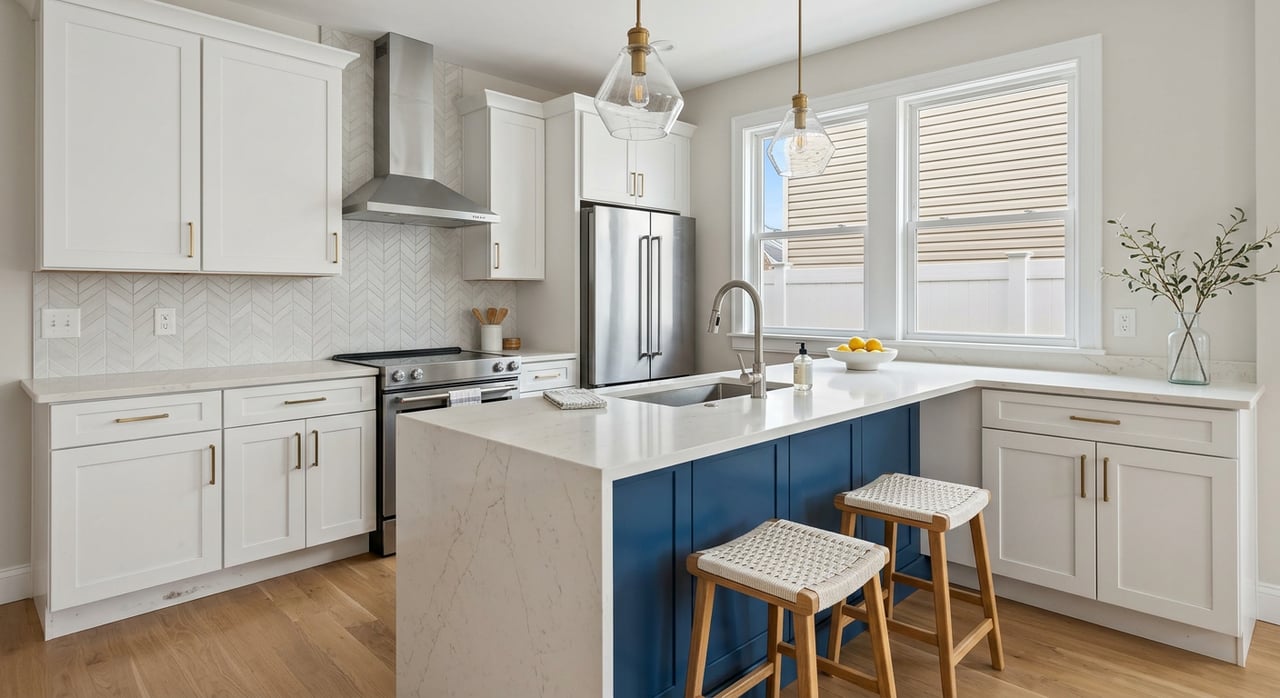
For many Margate homes, the practical core is simpler than the dream list. Reliable air conditioning, parking, fast Wi-Fi, laundry, and a full kitchen usually support the seasonal-use case far better than flashy extras without day-to-day convenience.
Furnish and market for easy stays
A seasonal renter is often making a fast decision. Your home needs to answer practical questions quickly and make the stay feel easy before the guest even arrives.
Focus on complete listing details
A well-managed listing should clearly show sleeping arrangements, bathrooms, parking setup, outdoor space, and major amenities. Clean photos and a complete amenity list help reduce back-and-forth and improve booking confidence.
Airbnb’s hosting guidance supports this. So does Vrbo, which says guests tend to have smoother arrivals and better review experiences when they have access to contact details, directions, parking instructions, access information, and clear check-in and check-out steps.
Build a repeatable arrival process
Even a beautiful home can create a poor first impression if arrival feels confusing. In a managed seasonal rental, guests should know exactly:
- How to reach the property
- Where to park
- How to access the home
- What time check-in starts
- What time check-out ends
- How major amenities work
- Who to contact with questions
That kind of structure helps protect reviews, reduce guest friction, and make turnovers more predictable during a busy shore season.
Screen guests and set clear house rules
Guest screening is part of risk management, especially in a town with strict occupancy and conduct rules. Airbnb says hosts can review a guest’s first name, identity-verification status, and reviews before booking through its platform tools. Vrbo also offers identity indicators and a two-way review structure, which can support a more consistent screening process.
In practical terms, your policy should center on verified guests, prior reviews when available, and written house rules that are easy to understand. Margate’s code requires tenant names, addresses, and phone numbers for the rental period, and it requires tenants to be notified that the lease is subject to local rental rules.
House rules should cover the basics
Airbnb’s guidance around house rules aligns well with a managed shore rental. Your rules should clearly address:
- Maximum guest count
- Quiet hours
- Check-in and check-out times
- Smoking
- Pets
- Events or gatherings
This is not just about being organized. In Margate, repeated issues tied to overcrowding or disorderly conduct can lead to citations, license discipline, and in some seasonal-rental cases, bond proceedings under the city code.
Think beyond one summer
A smart seasonal rental strategy should also protect your long-term flexibility. You may want income now, but you may also want the option to refinance, renovate, trade up, or sell later.
That is why it helps to keep records clean, maintenance current, and compliance issues resolved as they come up. If you eventually sell, Margate states that a Land Use Certificate application must be completed before closing on a title transfer.
The resale market also rewards preparation. Realtor.com’s March 2026 snapshot says homes in Margate sell in a median of 50 days and, on average, at 5.74% below asking in a buyer’s market. When conditions are more price-sensitive, deferred maintenance, missing paperwork, or loose rental operations can matter more than you might expect.
Why managed rentals can make sense
Turning a second home into a seasonal rental is not just about finding tenants. It is about managing a calendar, handling licensing, maintaining records, setting expectations, and protecting the property while still delivering a strong guest experience.
That is where a full-service local team can add value. When leasing, short-term rental management, property management, and resale strategy are connected, you can make decisions that support both current income and future resale position. If you are thinking about how to structure your Margate second home for personal use, seasonal income, or a future sale, Eric Millstein can help you build a plan that fits the local market.
FAQs
What rental license do you need for a Margate seasonal rental?
- You need a rental license before a tenant can move in, and Margate states that no dwelling unit may be rented or offered for rent without one.
What dates count as seasonal rentals in Margate?
- Margate’s housing forms page says seasonal, monthly, biweekly, and weekly rentals are permitted from May 1 to September 30, while the code defines a seasonal rental as space rented for less than one year and including any part of May 15 to September 15.
What insurance is required for a Margate rental property?
- Margate’s code requires at least $500,000 in liability insurance for rental units.
Do part-year Margate rental owners need New Jersey tax registration?
- If the rental is in a taxable category, New Jersey says owners should register before the first rental, and part-year landlords can register as seasonal businesses.
What happens if Margate guests exceed occupancy limits?
- The city can issue citations, take license action, and in some seasonal-rental cases pursue bond proceedings after repeated substantiated complaints.
Can you still use your Margate second home personally during rental season?
- Yes, but you should plan personal-use weeks around Margate’s seasonal rental calendar and your annual license timing.